The Modeler API completes the architectural separation between model owners (systems like ECA and Migrate) and modelers (visual UIs like BPMN.iO and Workflow Modeler). Module maintainers can now offer visual configuration without building custom UIs. The API automatically provides routing, permissions, save orchestration, import/export, testing, and Drush commands. This is infrastructure that compounds: 4 model owners × 3 modelers = 12 working combinations with zero glue code.
LakeDrops Blog

Photo by Declan Sun on Unsplash

Photo by Claudio Carrozzo on Unsplash
This post tells the story of the ten months that took ECA from Dries Buytaert' private "1% of what it could be" feedback in June/July 2025 to a keynote at Drupal DevDays Athens in April 2026, by way of DriesNote moments in Vienna and Chicago.

This article explores how ECA (Event-Condition-Action) can handle common authentication workflows in Drupal, including access denied redirects, user registration forms, and post-login actions. It demonstrates how ECA models can replace multiple contributed modules while offering greater flexibility — such as role-based redirects after login, hiding unnecessary password fields during account creation, and automatically assigning roles based on email domains.

This article discusses how Drupal, despite its mature and robust APIs, lacks a unified notification framework — leaving site builders to navigate hundreds of separate modules for different notification types (new content, comments, user registrations, form submissions, etc.), each with its own configuration and limitations.
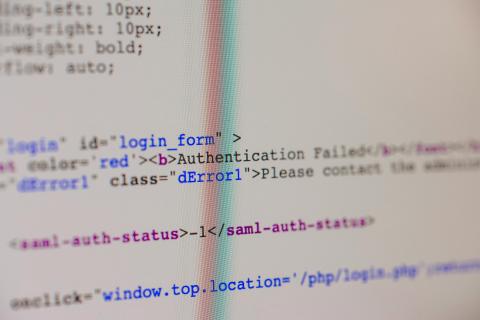
This article explains how ECA (Event Condition Action) can be used to modify Drupal forms without writing custom PHP code — historically the most common reason for creating custom Drupal modules. While ECA currently allows users to alter form elements, validation, and submission processing through a visual model stored as configuration, there are pain points like a blank-canvas starting experience and the need for Drupal knowledge.

ECA (Event-Condition-Action) is a powerful no-code automation tool included in Drupal CMS that provides features like content duplication, customizable login/logout redirects, form alterations, privacy protections, and automatic configuration for integrations like Mailchimp. Beyond user-facing features, ECA also handles behind-the-scenes tasks such as dynamic breakpoints, automatic sitemap configuration for new content types, and SEO meta tag defaults.

Photo by Matthew Henry on Unsplash
If you've been building Drupal sites for a while, you know the pattern: a new requirement comes in, you reach for a custom or dust off an aging contributed module, and before long your code base is a patchwork of narrowly-focused solutions. Over time, maintenance becomes a chore.
There's a better way.

Photo by Kelly Sikkema on Unsplash
Drupal's ECA module has been released 3 years ago, and provides an incredible workflow automation and orchestration platform together with an intuitive UI based on BPMN diagrams. Other complex configuration requirements can now be managed with the same tools as the newly introduced Modeler API provides the framework to serve applications like ECA or AI Agents with modern, exchangeable UIs without having to re-implement any of those ever again.
Photo by Zach Graves on Unsplash
The Modeler API is a new module that has been created by the Drupal community to address the requirement of existing modules and ecosystems with complex configurations, providing modern and easy-to-use UIs for non-technical users so they can independently create, modify, and maintain their own sites. Examples of such ecosystems are ECA (Events, Conditions, Actions - Drupal's modern rules engine), AI Agents, and Migrations.

Photo by Dmytro Vynohradov on Unsplash
Protecting your Drupal sites from unexpected dependency issues requires a proactive approach. This article reveals our strategy for continuously monitoring a suite of reference Drupal sites – automatically updated every hour – to detect runtime problems stemming from dependency updates. We’ll demonstrate how to identify PHP errors, styling issues, and even frontend JavaScript errors that often go unnoticed, ensuring a smooth and reliable experience for your Drupal users.